Inside the culture driving Wallace State Cross Country’s sustained success.
Words by Jenny Lynn Davis | Images courtesy of Tony Crider
On the morning of the 2025 NJCAA National Cross Country Championship in Fort Dodge, Iowa, Tony Crider sat in a hotel lobby with a cup of coffee and looked out the window.
The day before had felt manageable. Temperatures in the 60s. Shorts and light shakeout miles. Snow flurries had been mentioned in the forecast, but nothing alarming.
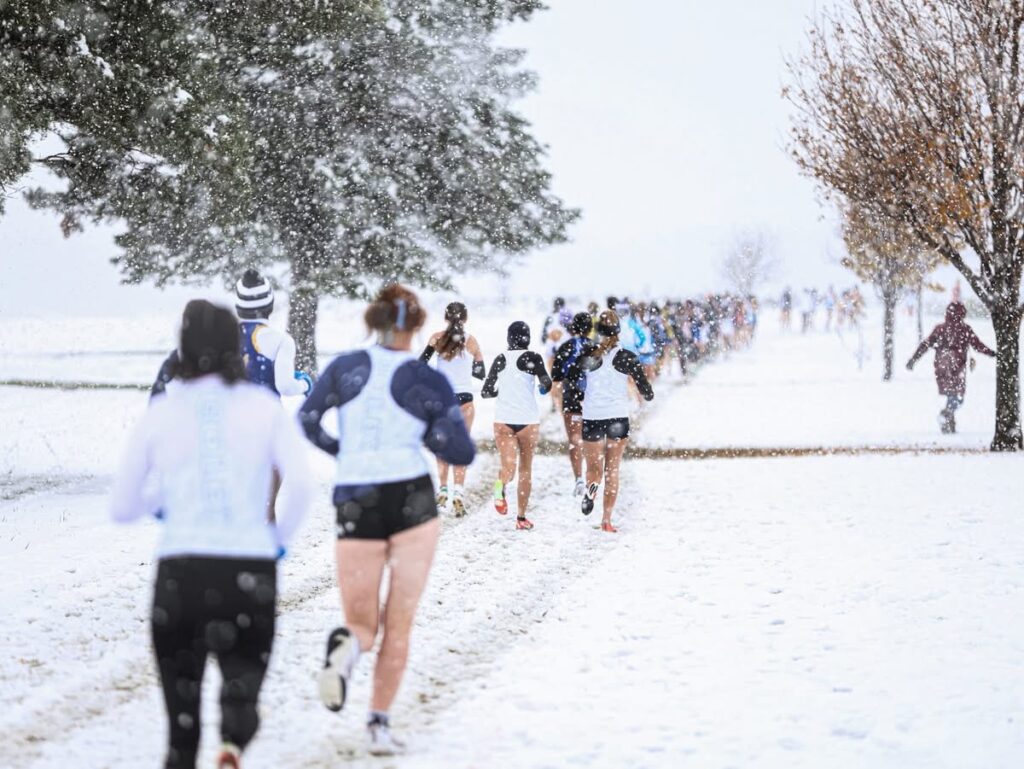
By 7 a.m., snowflakes “bigger than my hand,” as Crider describes them, were falling hard and fast.
Wallace State’s men’s and women’s cross country teams had spent nearly four months prior training in Alabama heat, rising before sunrise for 6 a.m. practices. They had climbed to No. 2 in the nation on the men’s side and No. 3 on the women’s side. They were prepared for competition.
They were not prepared for this.
The ground turned soft and slick. Wind cut through warmups. Northern teams laced up spikes suited for snow and mud. Wallace State did not have the right gear.
“That falls on me,” Crider said plainly. “I had no idea what we were walking into.”
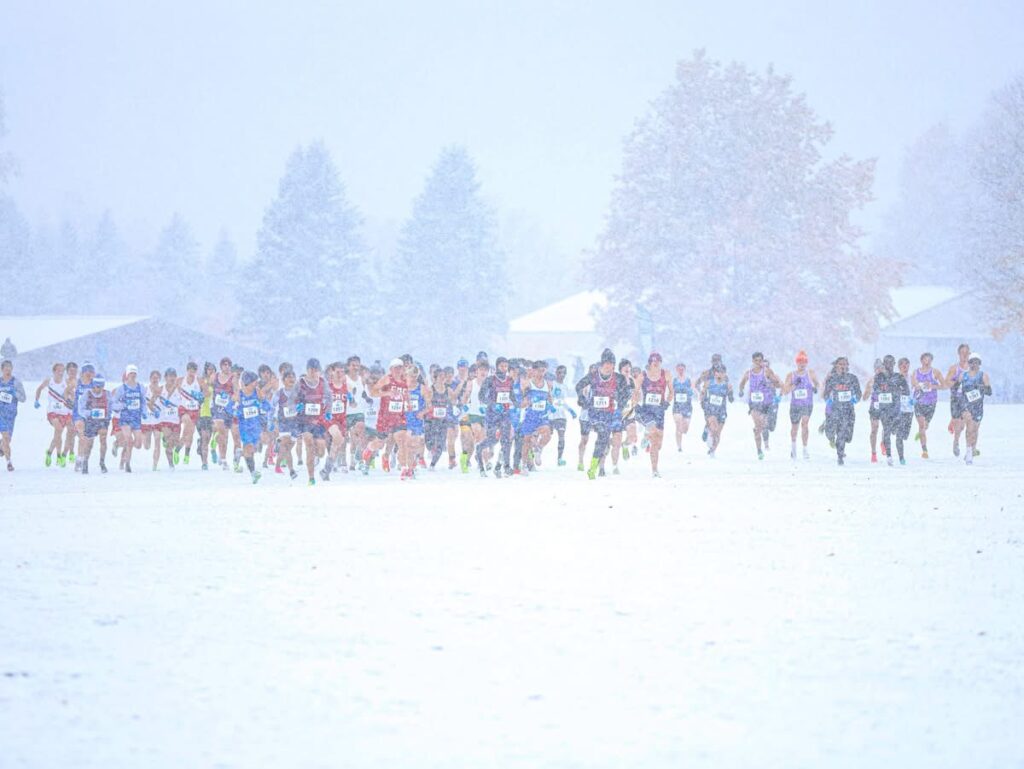
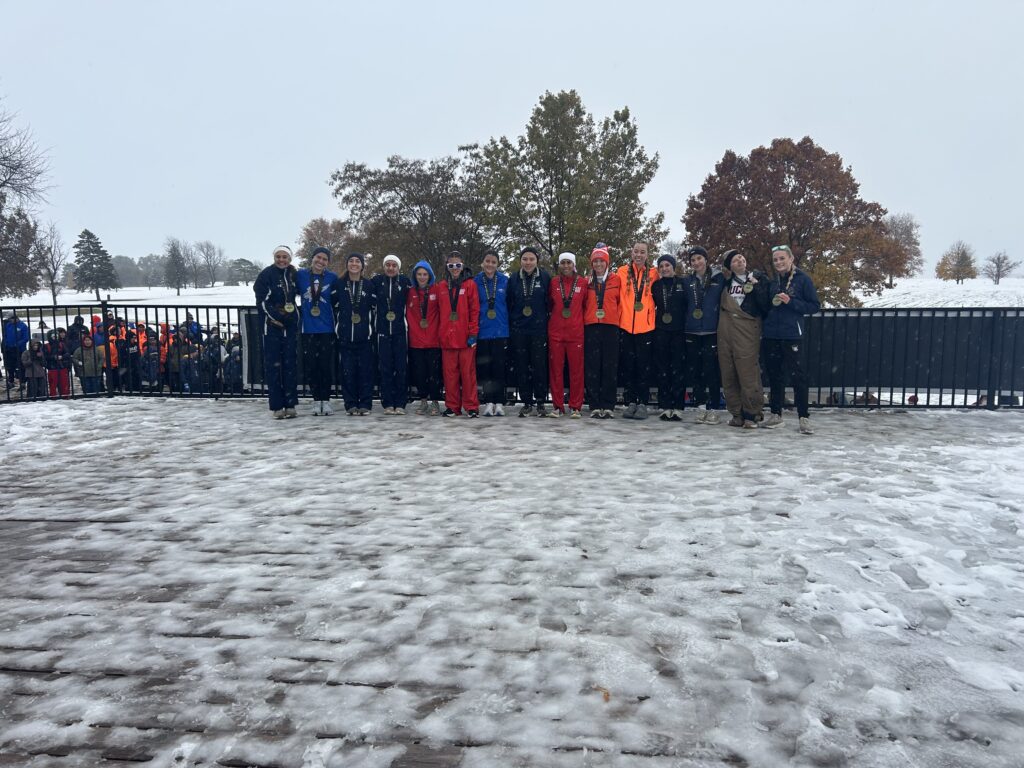
By the end of the day, both the men’s and women’s teams finished sixth in the nation.
For Crider, that result was about far more than placement.
Long before Iowa’s November snow, the foundation for Wallace State’s success is laid in the quiet of early morning.
Cross country is a fall sport in the NJCAA, with meets beginning in late August when Alabama humidity still hangs heavy. To protect both performance and safety, Wallace State trains at 6 a.m., finishing workouts before the sun fully rises.
“It’s about consistency,” Crider said. “Teams are built on consistency.”
That consistency begins months earlier. In May, athletes start base mileage. Weekly totals increase gradually, five to seven percent at a time, with the women’s team building from roughly 30 miles per week to 45 or 50 by August, and men approaching 60.
Sundays bring long runs of 10 to 18 miles, depending on the athlete. Tuesdays demand tempo work at race pace. Recovery days are intentional, and sleep is emphasized.
“At their age, they really need about ten hours a night,” Crider said. “Because we get up so early, their bodies adapt. After a couple of weeks, they’re exhausted by 9 or 10 p.m.”
It is not glamorous work. There are no crowds at 6 a.m. and no medals for base miles in May. But by the time conference championships and nationals arrive, the groundwork is already in place.
“
You don’t win a race in the first mile,” Crider often tells his athletes. “You build toward November.”
At nearly every meet, Wallace State runners line up against Division I, Division II, NAIA, and four-year programs – schools with larger budgets, deeper rosters, and full athletic funding.
Crider prefers it that way.
The regular season, he says, is not about trophies. It is about competing in deeper fields, managing pace, and learning what it feels like to run against athletes who may be faster for now.
Many Wallace runners were the best on their high school teams. At the collegiate level, that dynamic shifts.
In cross country, a top-15 finish can feel like a win. But the hardware in September matters less than resilience in November. Wallace State has won eight straight conference titles on both the men’s and women’s sides, and in 2025 captured conference championships for the second consecutive year under Crider’s leadership as head coach.
The numbers tell a story of dominance, but they are not the centerpiece. In the 2025 season alone, the teams logged a combined 31,584 miles. They traveled to five states, multiple athletes set two-minute personal records, and three school records fell. Continuous improvement drives the program.
When recruiting, Crider keeps it simple.
“There are two non-negotiables for me,” he said. “You have to be a good person, and you have to love to run.”
Speed and athleticism matter, he says, but those come after character and passion. Before extending an offer, Crider talks with high school coaches, teammates, and families. He pays attention to how athletes carry themselves. If those two traits are present, he believes the rest can be developed.
Coming from a background in team sports and a 40-year career in manufacturing, Crider approaches coaching with a balance of structure and care.
“This truly is my happy place,” he says. “I don’t do this for a living. I do it because I love it.”
For many athletes, Wallace State serves as a bridge before transferring to a four-year program. A common misconception, Crider said, is that community college athletics are a fallback option. He estimates roughly 80 percent of his athletes leave with stronger opportunities than they had straight out of high school. They mature as individuals, follow structured training, improve sleep habits and nutrition, and learn to manage academics alongside athletics.
The transition from high school to college can also be jarring, and Crider applauds Wallace State’s counseling resources for supporting his team through those changes. He sees part of his role as pointing athletes toward support when they need it.
“If you’re not happy, you’re not going to be successful,” he says.
Success, in his mind, extends beyond podium finishes.
“It means everything to me when they leave better prepared for life,” Crider said. “My own children are grown, and these student-athletes feel like my kids now. I’m just as proud of them when they move on as I am of my own children.”
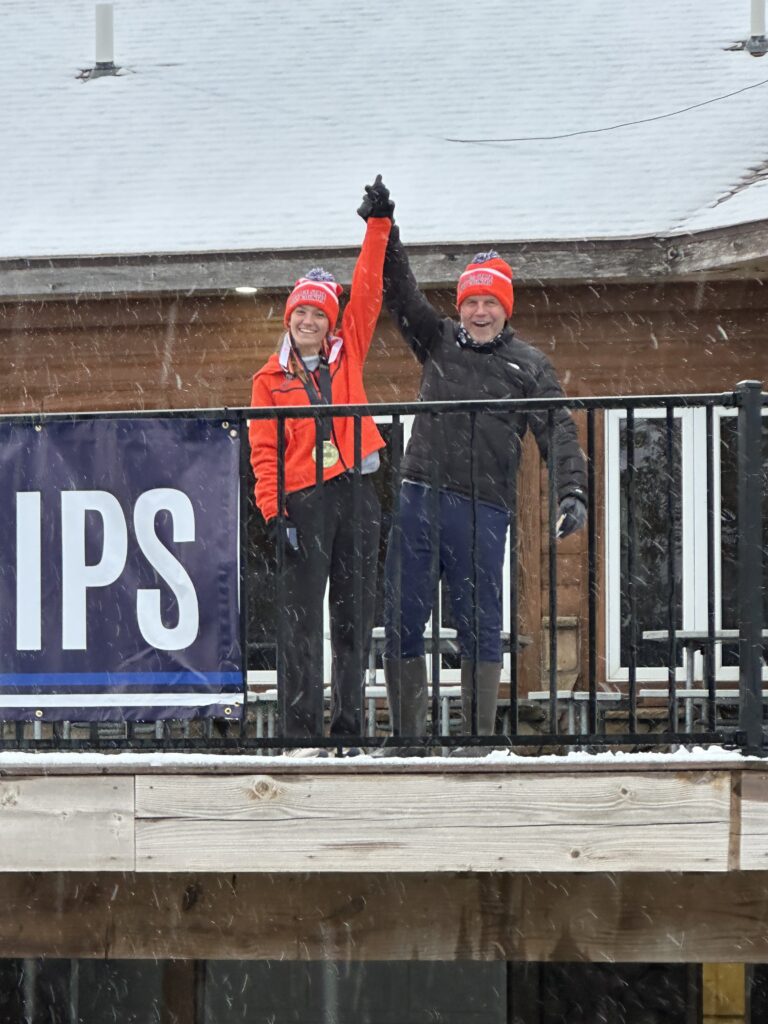
The 2025 season added more accolades to an already decorated program. Crider earned ACCC Coach of the Year honors and NJCAA Central Region Coach of the Year recognition. Athletes such as Brookelyn Morgan and Daniel Leija earned regional runner-of-the-year honors, with Morgan finishing as an All-American and a top-10 national runner.
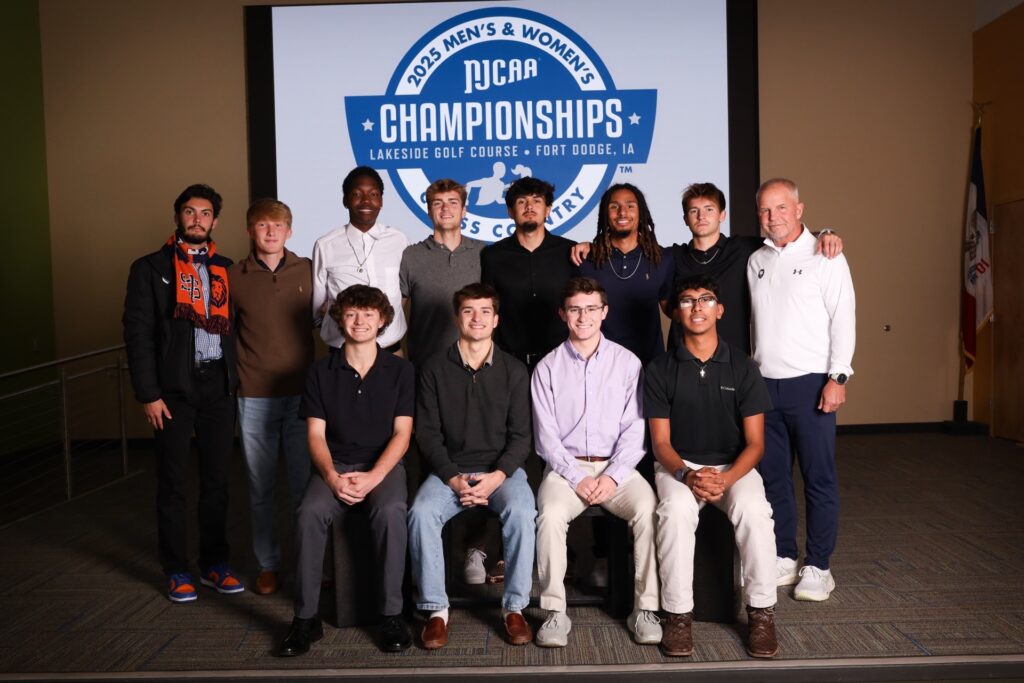
The goals moving forward remain ambitious: compete for a national championship, continue challenging four-year programs, and sustain academic success.
But the foundation will not change.
Coaching workouts, Crider estimates, accounts for ten percent of his job. The remaining ninety percent is mentoring, consistency, care, and culture.
“Trophies are nice,” he said. “But they’re not the priority.”
Long before Iowa snow and long before rankings, the work begins in the dark – mile after mile, building something steady enough to withstand whatever weather may come. TG